
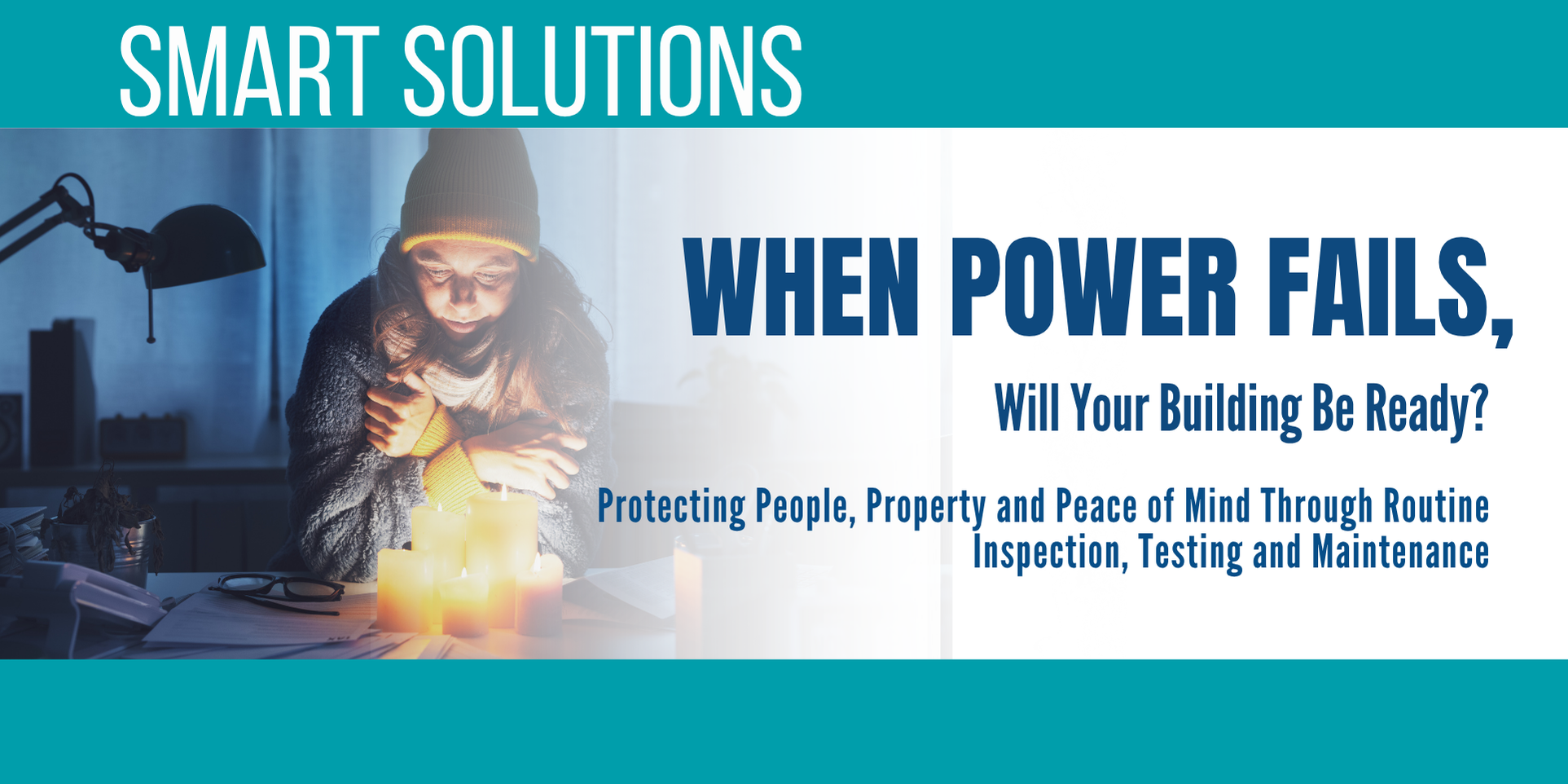
Protecting People, Property and Peace of Mind Through Routine
Inspection, Testing and Maintenance
Written by: Ryan Kranic, Territory Manager, Equipment Sales and Preventative Maintenance Sales with Frontier Power Products ULC
Emergency generators are among the most important life safety systems in a building, yet they’re often the least understood. Routine inspection, testing and maintenance aren’t simply about compliance; they’re about helping ensure emergency power is available when residents, emergency responders and building staff need it most.
Power outages are unpredictable.
For condominium boards and property managers, the expectation is not.
When normal electrical service is interrupted, residents expect emergency lighting to illuminate exit routes. Fire alarm systems must remain operational. In many buildings, emergency power also supports life safety equipment that helps protect occupants until utility power is restored.
Most residents never think about the emergency generator.
That’s exactly how it should be.
An emergency generator isn’t designed to be noticed every day. It’s designed to perform on the day everything else stops.
The challenge is that emergency generators spend most of their lives waiting.
Unlike equipment that operates every day, standby generators may sit idle for weeks at a time. While they aren’t accumulating operating hours, time continues to affect the equipment. Batteries slowly lose capacity. Fluids age. Rubber components harden. Electrical connections can loosen. Dust, moisture and temperature fluctuations can all affect long-term reliability.
A generator doesn’t have to be running to develop problems.
That’s why routine inspection, testing and maintenance are so important.
More Than a Regulatory Requirement
Many people assume emergency generator inspections exist simply because regulations require them.
The reality is much more practical.
CSA C282 provides a nationally recognized framework for the inspection, testing and maintenance of emergency electrical power supply systems. Its purpose is to promote reliability through a structured maintenance program rather than waiting for equipment to fail.
Think of it the same way you think about servicing your vehicle.
Routine maintenance isn’t performed because you expect your vehicle to break down tomorrow. It’s performed to reduce the likelihood of unexpected failures and to help ensure dependable operation over the long term.
Emergency generators are no different.
Reliability Is Built Over Time
One inspection doesn’t guarantee reliability.
Reliability is built through consistency.
Throughout the year, emergency power systems undergo inspection, testing and maintenance at scheduled intervals. Some activities focus on confirming that the system is ready to operate. Others verify system performance under operating conditions. More comprehensive maintenance evaluates major components, replaces wear items and helps identify issues that may not be visible during routine inspections.
Each stage contributes to the same objective: building confidence that the emergency power system will perform when utility power is lost.
Preventative maintenance also helps identify small concerns before they become larger problems. A battery nearing the end of its service life, a deteriorating hose or a developing coolant leak is far easier to address during a scheduled service visit than during a building emergency.
Documentation Tells the Story
An effective maintenance program is about more than servicing equipment.
It’s also about maintaining accurate records.
Inspection reports and maintenance documentation create a history of the emergency power system. They demonstrate that inspections have been completed, deficiencies have been addressed and preventative maintenance has been performed consistently over time.
Those records also provide valuable information when planning future maintenance or troubleshooting unexpected issues.
A Shared Responsibility
Reliable emergency power doesn’t happen by accident.
It requires commitment from everyone involved.
Condominium boards establish maintenance expectations. Property managers coordinate service activities and maintain records. Qualified service providers perform inspections, testing and maintenance while identifying developing concerns before they affect system reliability.
Together, those efforts help create confidence that the emergency power system will respond when it’s needed most.
When the Power Fails
Emergency generators spend nearly their entire lives waiting.
When they’re finally called upon, there’s no opportunity for a second attempt.
Residents expect emergency systems to perform immediately. Emergency responders depend on critical building infrastructure. Property managers rely on equipment that has often sat quietly for weeks or months.
Routine inspection, testing and maintenance help make that possible.
CSA C282 provides the framework. Consistent maintenance builds the confidence.
When the power fails, the question isn’t whether your emergency generator was inspected yesterday. It’s whether your building is ready today.
Ryan Kranic is Territory Manager, Equipment Sales and Preventative Maintenance Sales with Frontier Power Products ULC. With more than 22 years of experience in the heavy equipment and power generation industries, Ryan works with condominium corporations, property managers and facility owners to support reliable emergency power systems through preventative maintenance, equipment solutions and education.