
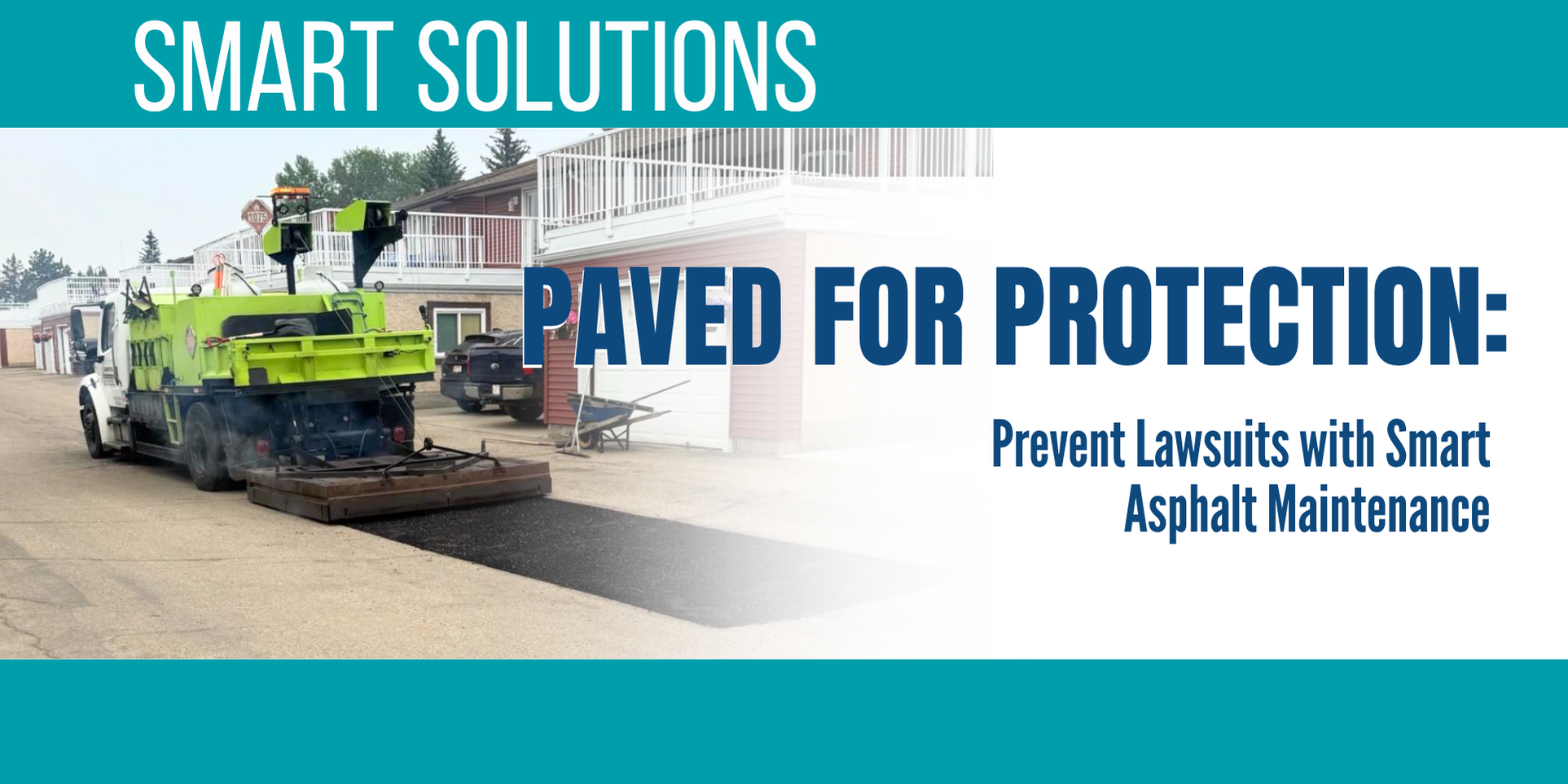
Article by Smartfix Asphalt Infrared Repair
Pavement is easy to overlook—until it becomes a problem. Those cracks and potholes aren’t just eyesores—they’re legal and financial risks that condo boards can’t afford to ignore. Routine maintenance is about more than curb appeal—it’s about safety, liability, and peace of mind.
Shared properties like condominiums bring unique challenges when it comes to exterior maintenance—and pavement is one of the most overlooked. But when damage goes unchecked, it opens the door to costly claims, rising insurance premiums, and safety risks for residents and visitors. This article explores how proactive pavement care can reduce liability and save money in the long run. From trip hazards and tire damage to insurance complications and legal risk, the surface beneath our feet plays a bigger role than most condo owners realize.
Why Pavement Is More Than Just a Surface
Condo owners of all types take pride in their property—and the condition of your asphalt speaks volumes about your efforts. But more importantly, cracks, potholes, and drainage issues aren’t just eyesores—they’re potential liability risks. Whether it’s a guest tripping over uneven asphalt or a neighbour’s car damaged by an elevated catch basin, poor pavement maintenance can cost you far more than a simple repair.
If you’re a condo owner or condo/property manager in Alberta, the responsibility for unsafe conditions on your property rests directly with you. From sidewalks to parking lots, poorly maintained pavement can quickly lead to liability claims. Keeping your pavement in top condition isn’t just good practice—it’s a crucial part of protecting your residents, visitors, and your bottom line. This guide outlines how to reduce your liability risks, what typically leads to claims, and how modern repair solutions can help safeguard your condo property cost-effectively.
“The surface beneath our feet plays a bigger role than most condo owners realize—neglecting pavement can open the door to costly claims.”
Why Liability Falls on Property Owners
Under Alberta’s Occupiers’ Liability Act, property owners must ensure their premises are safe for all entrants. Failing to repair visible or previously reported hazards such as potholes and uneven surfaces can leave you open to legal disputes if they cause injuries or damage.
The consequences extend beyond lawsuits; there are other significant financial impacts to consider. Covering someone’s medical expenses, repairing a damaged vehicle, or facing penalties for negligence can result in substantial out-of-pocket costs. Even one minor slip, trip, or fall could lead to a settlement exceeding $25,000. Additionally, frequent claims may trigger higher insurance premiums or, in severe cases, policy cancellations.
What Causes Claims & Creates Pavement Liability?
Claims tied to pavement often stem from avoidable issues. Take note of these common culprits:
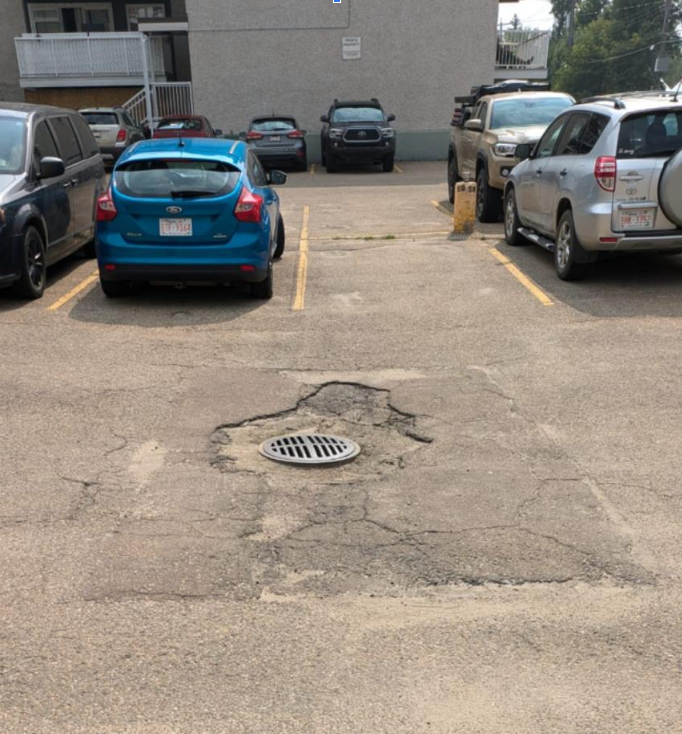
- Deep potholes: These can damage vehicles and create trip hazards.
- Uneven surfaces: When asphalt settles unevenly, it increases fall risks.
- Cracked pavement: Fractured surfaces in industrial areas are particularly problematic for heavy vehicles.
- Drainage problems: Improper drainage leads to pooling water, which turns into ice hazards in colder months.
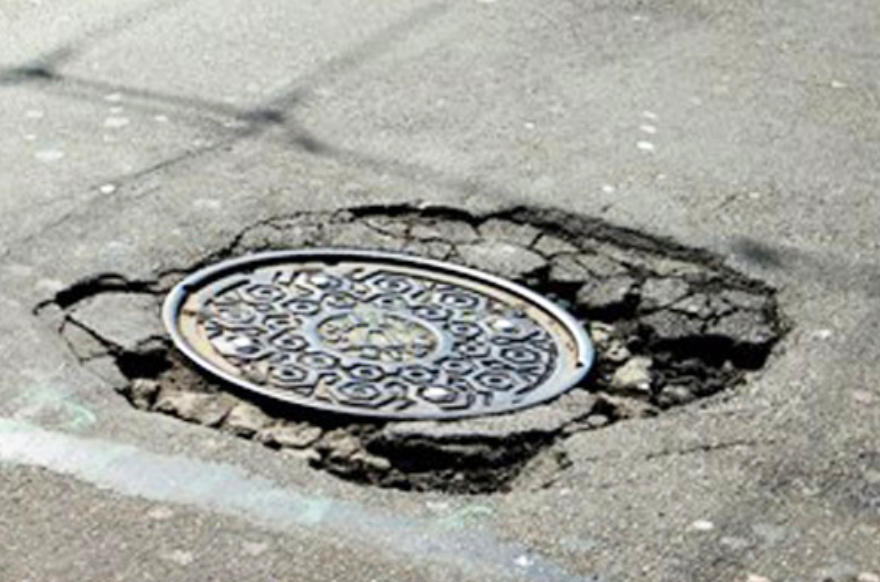
- Shifting around catch basins or utility boxes: These areas often sink or break, creating unstable edges for both vehicles and pedestrians.
It’s not just personal injuries you need to worry about; property damage holds equal weight. Bent rims, flat tires, or scratches caused by poorly maintained pavement can result in repair claims that add up quickly.
The Real Cost of Doing Nothing
Think skipping maintenance and repairs will save money? That strategy can backfire fast. Here’s why that’s a risky gamble:
- Legal costs: A single trip-and-fall case can set you back upwards of $25,000 in settlements, excluding legal fees and indirect costs like business disruptions.
- Insurance impacts: Regular claims may cause insurers to increase premiums or, worse, drop your coverage altogether. This places a heavier financial burden on future incidents.
- Reputation: Poorly maintained properties can discourage customers and tenants, tarnishing your public image.
Compare these expenses to the cost of preventive solutions. Newer technologies—like infrared asphalt repair—can offer cost-effective, low-disruption alternatives that help you avoid costly lawsuits while maintaining your property’s condition and reputation.
Infrared Repair Can Make Repairs Safer & Greener
Infrared asphalt repair is an innovative approach that offers several key benefits:
- Seamless results: The infrared process thermally bonds new and existing asphalt, leaving no cold joints or raised edges.
- Minimal waste: Unlike traditional methods that discard old materials, infrared repair recycles existing asphalt in place.
- Reduced disruption: Repairs are completed quickly, minimizing inconvenience for tenants, customers, and staff.
This method is particularly useful in high-risk zones like catch basins and utility boxes. Thermally bonded repairs help restore the area and prevent future failures while eliminating uneven transitions that can lead to liability.
Pavement Problem Zones: Key Areas to Monitor
While entire lots need attention, some areas are more prone to problems than others. These high-risk zones include:
- Catch basins and manholes: The most common culprits for sinking and cracking.
- High-traffic zones: Parking lots and driveways experience faster wear due to daily use.
- Drainage systems: Poor drainage often leads to water pooling, accelerating surface degradation.
Experienced pavement professionals will often prioritize these areas during inspection and repair to ensure long-term performance and safety.
Building a Proactive, Seasonal Maintenance Plan
The best way to protect your property and reduce liability risks is through routine pavement maintenance. A planned schedule ensures minor issues don’t escalate
into major problems. Here’s a seasonal breakdown to guide you:
- Spring: Inspect for cracks and damage caused by freeze-thaw cycles during winter.
- Summer: Check for wear from heat expansion and heavy vehicle traffic.
- Fall: Seal any vulnerabilities before the snow and ice arrive.
Inspections are only half the battle—documentation is equally important. Keep a log of repairs and maintenance activities. Courts and insurers value evidence of due diligence, and a qualified contractor should provide detailed records of all work performed on your property.
Who Benefits Most from Proactive Pavement Maintenance?
While every property owner has a vested interest in pavement maintenance, these sectors are particularly vulnerable to risks:
- Retail spaces: Customer-heavy environments face liability for both personal and vehicle-related incidents.
- Condos and apartments: Ensuring the safety of residents and guests is critical.
- Industrial and commercial yards: High traffic from delivery vehicles and equipment means constant surface wear.
- Office parks and municipal lots: Public use increases liability exposure.
Professionals working in these sectors often deal with unique challenges related to volume, climate, and surface wear, and benefit from tailored maintenance strategies.
Final Thoughts: Prevention Pays
Potholes, cracks, and damaged catch basins may seem insignificant, but they can lead to serious financial and legal consequences if left unaddressed. Managing liability risks is about more than avoiding lawsuits; it’s about protecting your business, maintaining professional integrity, and safeguarding those who depend on your property. Proactive maintenance, detailed inspection, and timely repairs are your best defense. Whether you’re managing a single small lot or a complex network of shared spaces, consistent upkeep can help ensure safety, reduce costs, and build long-term peace of mind.
SmartFix Asphalt Solutions is an Edmonton based company specialising in pavement maintenance. This article is based on industry best practices used in SmartFix projects across Alberta. For more information visit: www.smartfixasphalt.ca