
Written by: Rebekah Barron, Broker/Owner | Realty Key Group Inc.
Condominium corporations across Alberta face increasing pressure to balance operating costs, reserve fund obligations, owner expectations, and the long-term health of their buildings. While some corporations focus heavily on reactive repairs after issues arise, it is important to focus on preventative maintenance being significantly less expensive than emergency remediation.
Routine maintenance programs are not simply operational tasks — they are investments in the longevity, safety, efficiency, and value of the condominium corporation’s assets. Essential systems such as plumbing stacks, sewer lines, dryer vents, mechanical systems, roofing, and building envelopes all require scheduled attention to minimize risk and avoid costly failures.
A proactive maintenance strategy protects owners from unexpected special assessments, reduces insurance claims, enhances resident safety, and preserves property values.
Routine maintenance programs are not simply operational tasks — they are investments in the longevity, safety, efficiency, and value of the condominium corporation’s assets. Essential systems such as plumbing stacks, sewer lines, dryer vents, mechanical systems, roofing, and building envelopes all require scheduled attention to minimize risk and avoid costly failures.
A proactive maintenance strategy protects owners from unexpected special assessments, reduces insurance claims, enhances resident safety, and preserves property values.
In multi-family condominium buildings, vertical plumbing stacks handle wastewater from kitchens, bathrooms, and laundry systems throughout the building. Over time, grease, soap residue, sediment, hair, food particles, and scale buildup accumulate inside these pipes.
Without routine cleaning, these systems become increasingly restricted, eventually leading to serious operational failures.
Failure to implement regular stack cleaning can result in:
- Sewer backups into residential units
- Flooding and water damage to common areas
- Foul odours throughout the building
- Pipe corrosion and premature deterioration
- Increased emergency plumbing calls
- Mold and microbial growth from moisture intrusion
- Insurance claims and rising premiums
- Resident displacement during repairs
In Alberta, sewer backups are among the most common and expensive condominium insurance claims. A single backup event can impact multiple units simultaneously, resulting in tens or even hundreds of thousands of dollars in restoration costs.
Most condominium corporations should schedule:
- Stack cleaning every 1–3 years depending on building age and occupancy
- More frequent cleaning in older buildings or buildings with known drainage concerns
- Camera inspections following cleaning to identify deficiencies early
Main sewer lines are critical infrastructure components that often remain out of sight and out of mind until a failure occurs. However, aging pipes, root intrusion, settlement, grease buildup, and pipe collapse can develop gradually over time. Video sewer inspections provide condominium corporations with valuable diagnostic information without invasive excavation.
Regular inspections allow corporations to:
- Detect pipe deterioration early
- Identify root intrusion
- Locate offsets or pipe separation
- Monitor grease accumulation
- Confirm proper drainage flow
- Plan capital repairs proactively
- Reduce emergency repair costs
Ignoring sewer system inspections may lead to:
- Full sewer blockages
- Structural damage from leaks
- Repeated flooding events
- Emergency excavation costs
- Health hazards from sewage exposure
- Significant resident disruption
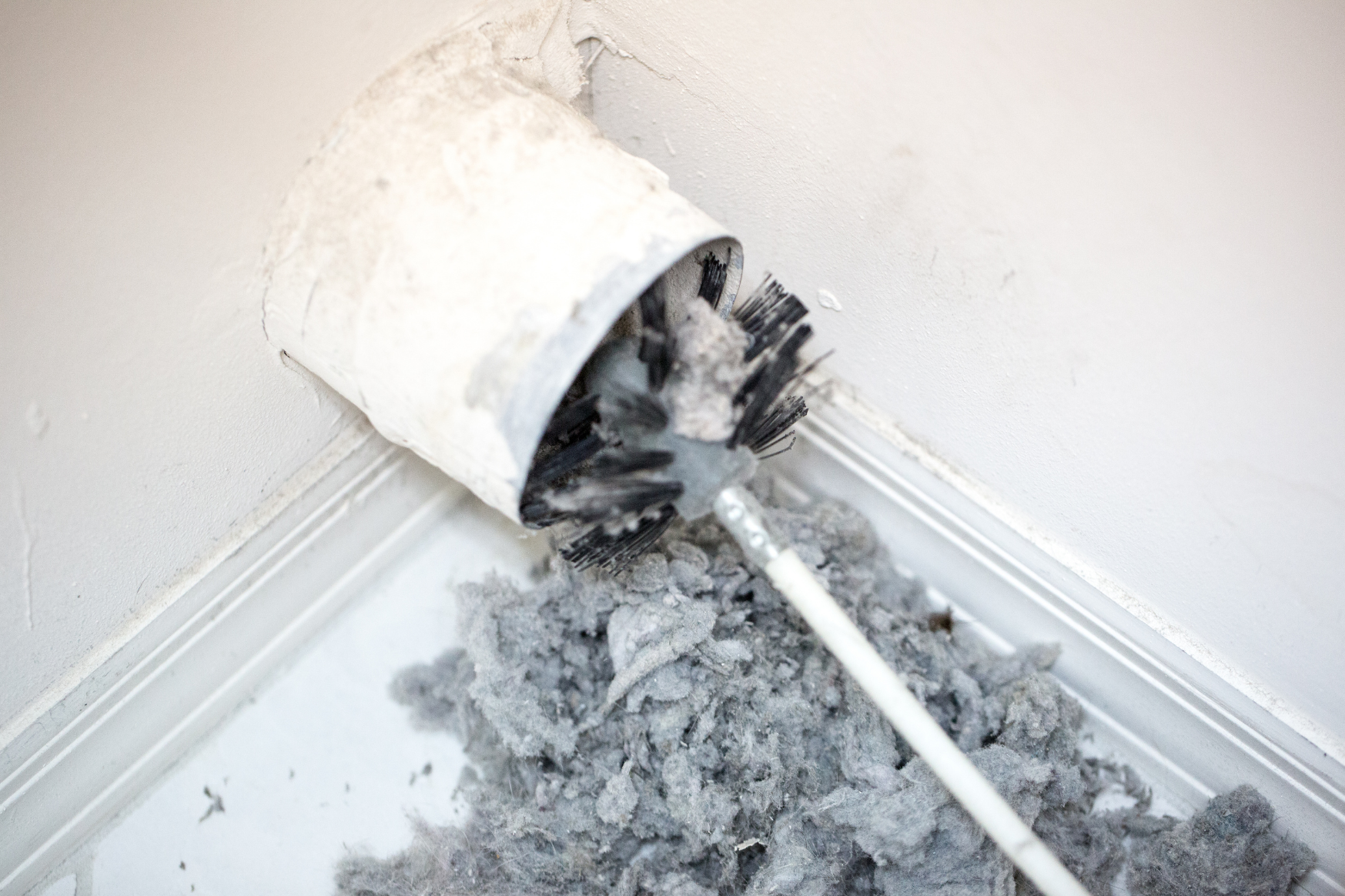
Dryer vent maintenance is frequently overlooked in condominium communities, particularly in buildings where vents are concealed within walls or shared duct systems.
Lint accumulation inside dryer exhaust systems creates a major fire hazard while also reducing appliance efficiency.
Routine dryer vent cleaning improves:
- Resident safety
- Fire prevention
- Indoor air quality
- Dryer efficiency
- Energy consumption
- Appliance lifespan
Failure to clean dryer vent systems can cause:
- Dryer fires
- Excessive heat buildup
- Moisture accumulation
- Mold growth
- Increased utility costs
- Premature appliance failure
- Carbon monoxide concerns in gas dryer systems
According to fire prevention authorities, lint buildup remains one of the leading causes of residential dryer fires.
Condominium corporations should generally schedule:
- Annual dryer vent inspections
- Cleaning every 1–2 years
- More frequent servicing in high-density or senior living communities
Alberta’s climate presents significant challenges to condominium buildings, including freeze-thaw cycles, snow accumulation, UV exposure, and moisture penetration.
Routine inspections of the building envelope should include:
- Exterior cladding
- Sealants and caulking
- Windows and doors
- Balconies
- Roofing systems
- Expansion joints
Potential issues from deferred envelope maintenance include:
- Water infiltration
- Structural deterioration
- Mold development
- Heat loss and energy inefficiency
- Concrete spalling
- Interior damage
Early intervention on minor deficiencies prevents extensive restoration projects later.
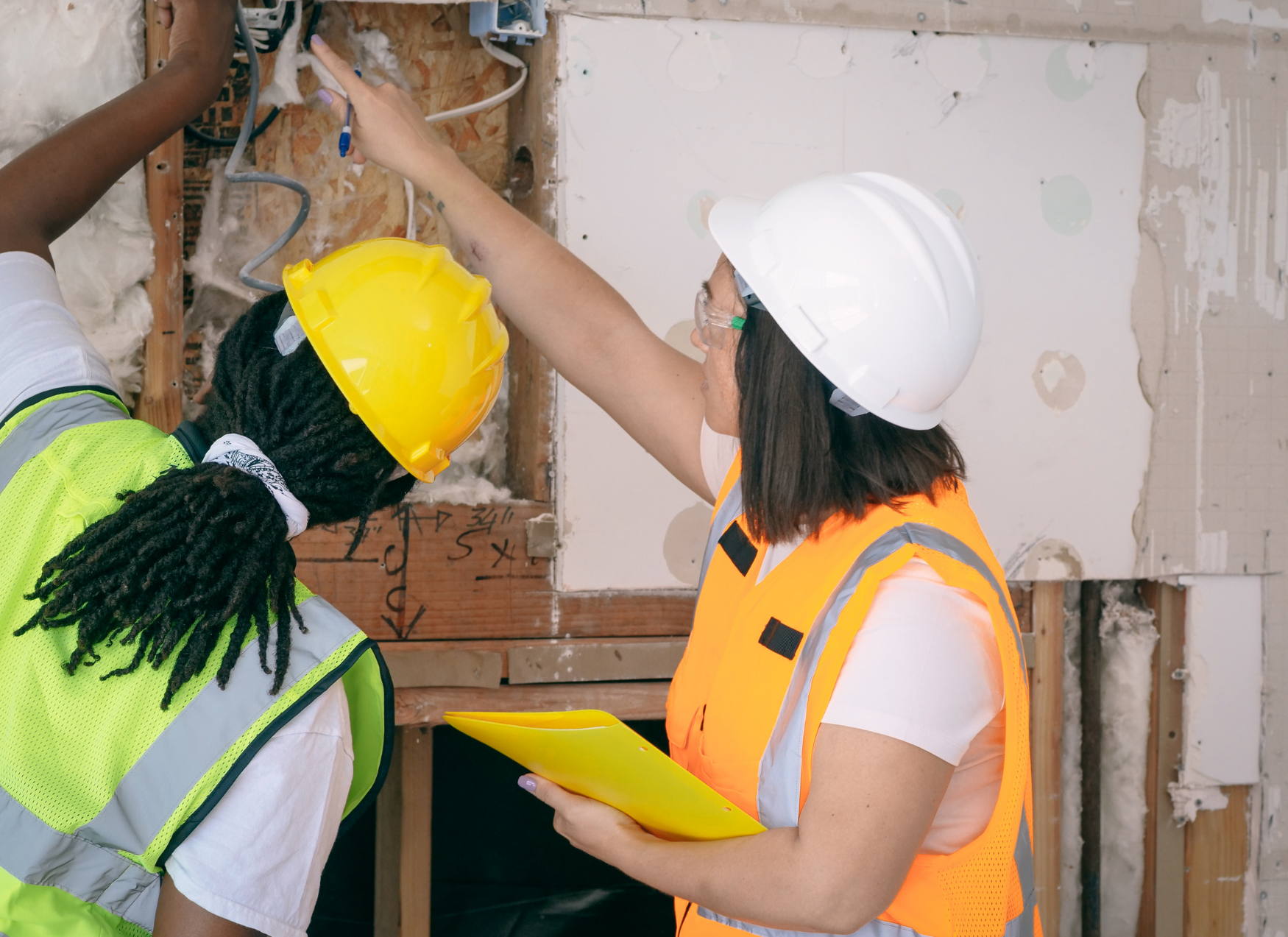
Roof systems represent one of the condominium corporation’s largest capital assets.
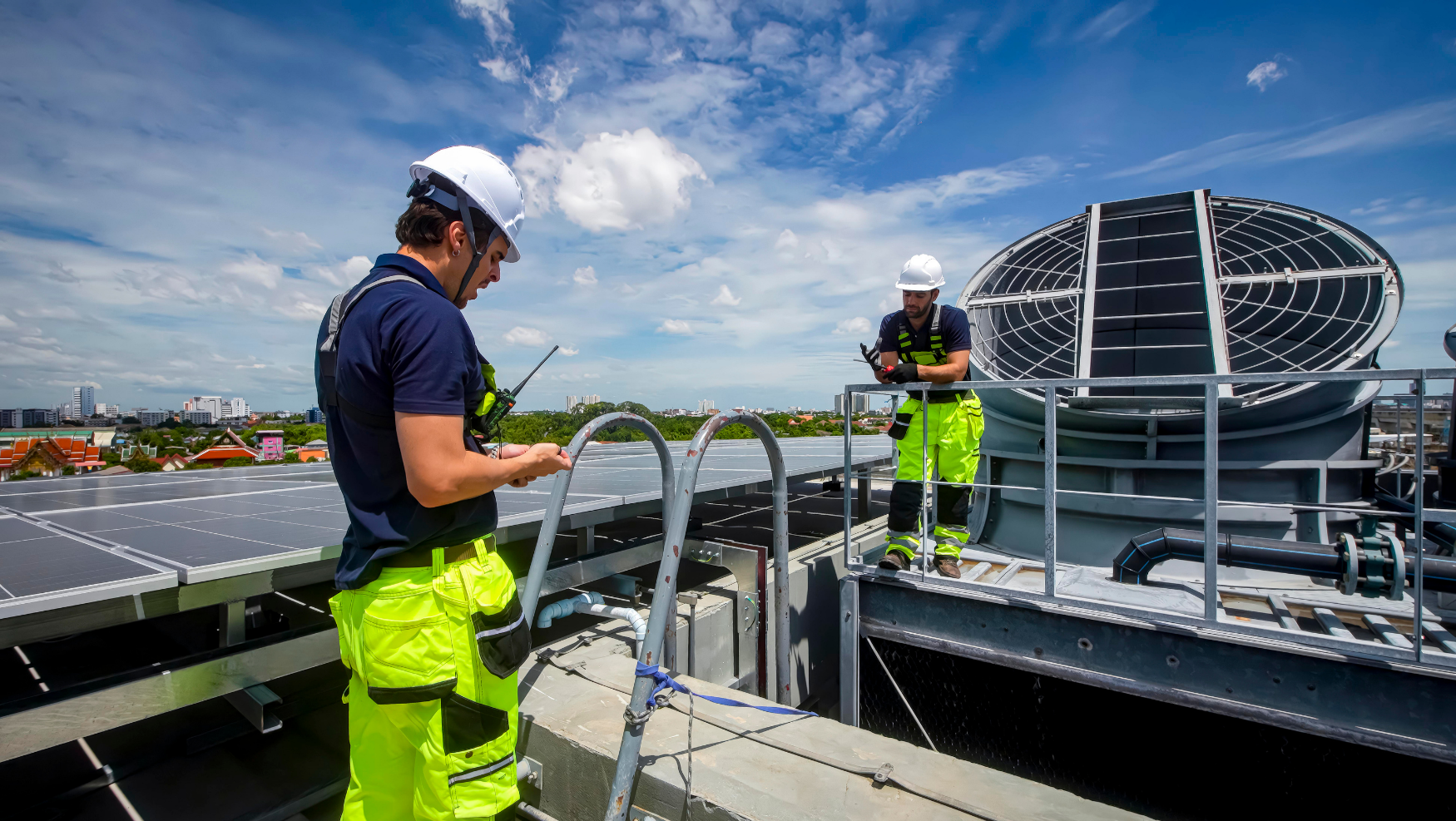
Routine maintenance should include:
- Semi-annual inspections
- Drain and scupper cleaning
- Membrane inspections
- Flashing repairs
- Snow and ice monitoring
Neglected roofing systems can lead to:
- Leaks into units
- Structural water damage
- Mold growth
- Insulation deterioration
- Premature roof replacement
Heating, ventilation, and mechanical systems are essential for resident comfort and operational efficiency.
Proactive servicing should include:
- Boiler inspections
- Filter replacement
- Pump servicing
- Makeup air unit maintenance
- Cooling tower treatment
- Ventilation balancing
Poorly maintained systems can result in:
- Equipment failure
- Increased utility costs
- Inconsistent heating
- Reduced indoor air quality
- Emergency shutdowns during winter months
In Alberta’s climate, heating system reliability is particularly critical.
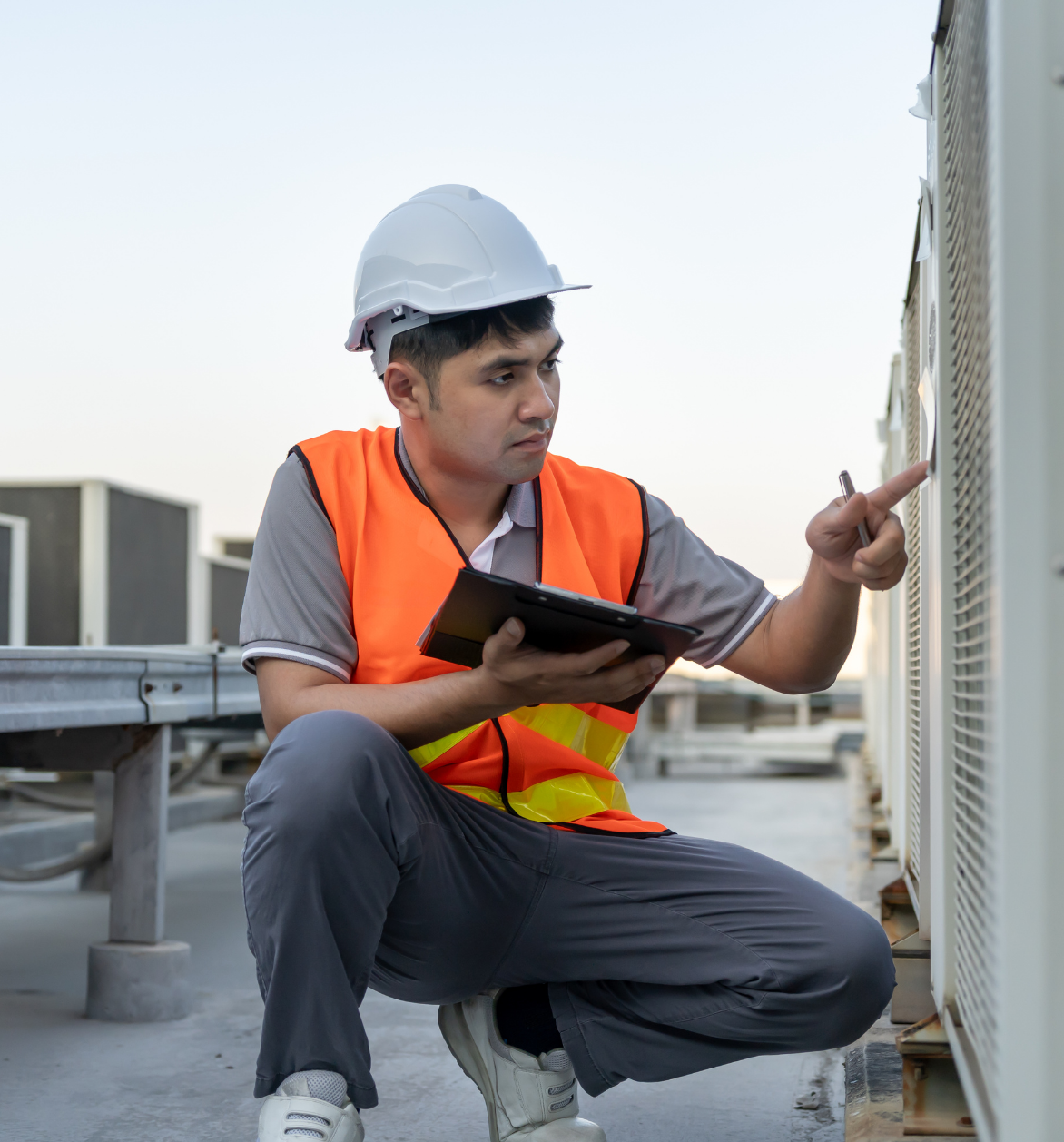
Heating, ventilation, and mechanical systems are essential for resident comfort and operational efficiency.
Underground parkades and concrete structures are vulnerable to deterioration caused by:
- Road salts
- Moisture intrusion
- Freeze-thaw cycling
- Carbonation
Routine maintenance should include:
- Crack sealing
- Membrane assessments
- Drainage inspections
- Concrete repairs
- Parkade washing programs
Ignoring early concrete deterioration often leads to exponentially higher repair costs later.
Condominium corporations are legally responsible for maintaining life safety systems in accordance with Alberta Fire Code requirements.
Routine servicing includes:
- Fire alarm testing
- Sprinkler inspections
- Standpipe testing
- Emergency lighting checks
- Fire extinguisher servicing
- Smoke control system verification
Failure to maintain these systems may result in:
- Regulatory penalties
- Increased liability exposure
- Resident safety risks
- Insurance complications
Proactive maintenance is not just an operational choice, it is a financial strategy. When aligned with reserve fund planning, ongoing maintenance extends the life of shared assets, improves performance, and reduces the likelihood of costly surprises. Corporations that take this approach benefit from more predictable budgets, lower long-term costs, and less pressure on reserve funds, while also avoiding the compounding risks that come with deferred maintenance.
Although the immediate payoff of preventative maintenance may not always be visible, the financial case is clear. Routine, strategic investment in maintenance helps avoid emergency repair premiums, reduces insurance risks and claims, and minimizes disruptions for residents. Just as importantly, it protects against premature asset replacement and potential legal exposure. In practice, spending modestly and consistently today prevents significantly larger expenditures tomorrow.
Proactive maintenance reflects a broader culture of responsible stewardship. Boards that prioritize it signal strong governance, sound risk management, and a commitment to safety, property values, and long-term sustainability. In Alberta’s evolving condominium landscape, this approach is increasingly essential. By implementing structured, consistent maintenance programs, corporations position themselves for stability and success—recognizing that the most expensive maintenance decision is the one delayed until failure.
Proactive maintenance reflects a broader culture of responsible stewardship. Boards that prioritize it signal strong governance, sound risk management, and a commitment to safety, property values, and long-term sustainability. In Alberta’s evolving condominium landscape, this approach is increasingly essential. By implementing structured, consistent maintenance programs, corporations position themselves for stability and success—recognizing that the most expensive maintenance decision is the one delayed until failure.